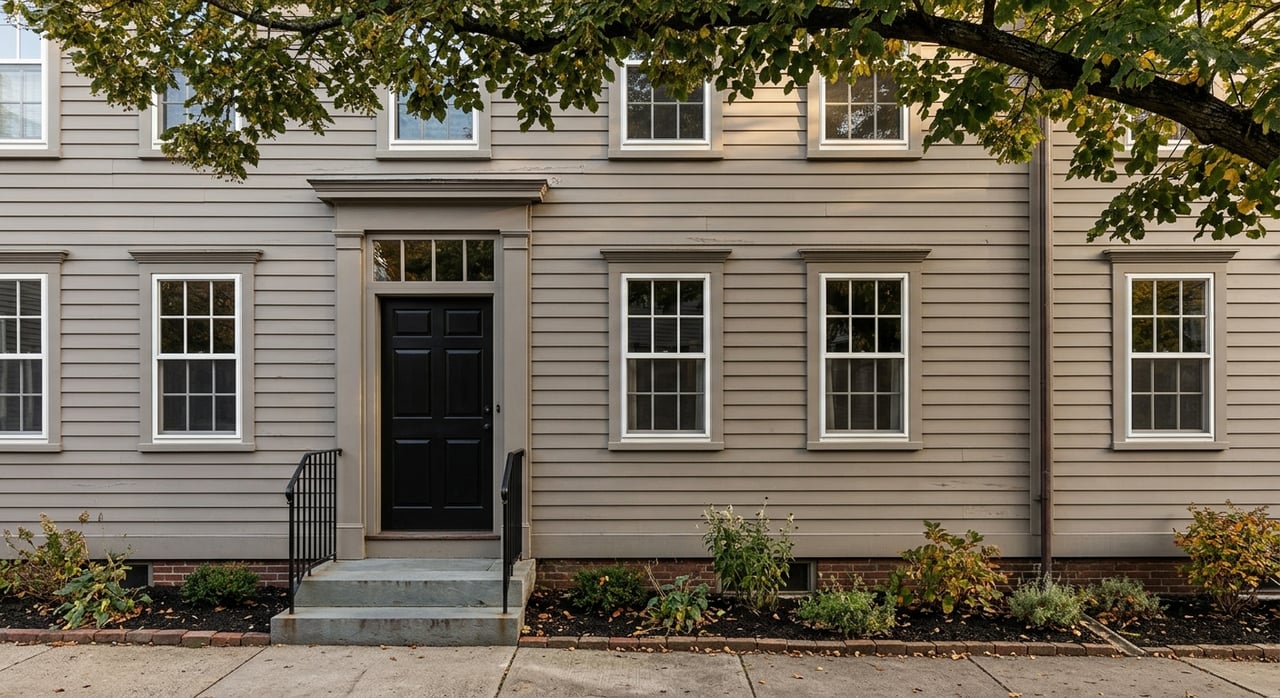
If you want a town where daily errands, coffee runs, green space, and community events feel naturally connected, Pennington deserves a closer look. For many buyers, the appeal is not just that it is charming. It is that the borough’s small scale and historic layout make everyday life feel easier and more grounded. In this guide, you will get a clear picture of how Pennington’s walkable village lifestyle actually works, what kinds of homes support it, and why that pattern is so hard to replicate. Let’s dive in.
What Makes Pennington Feel Walkable
Pennington is compact in the most literal sense. The borough is about 1.0 square mile with a population of 2,802, and county planning materials describe it as a small town with a historic character centered on South Main Street and Delaware Avenue.
That scale matters more than you might think. In a place this small, your daily route is not spread across miles of disconnected development. Instead, the borough reads as a settled village, with a downtown core, established neighborhoods, and very little land left for major new growth.
The result is a lifestyle where walking can feel practical, not just pleasant. You are not forcing a village experience onto a suburban layout. The layout itself was built around a real town center.
Pennington’s Historic Core Shapes Daily Life
A big part of Pennington’s identity comes from its Crossroads Historic District. According to the borough’s Historic Preservation Commission, this district includes Main Street and Delaware Avenue and features architecture from the 18th, 19th, and early 20th centuries.
That historic core does more than create visual charm. It gives the borough a clear focal point, which helps organize how people move through town and where they gather. When a downtown has preserved buildings, recognizable streets, and a long-established pattern of local activity, it tends to feel more cohesive day to day.
Mercer County also describes Pennington as having unique small shops along Main Street, public art, and neighborhoods with varied architecture. In practical terms, that means the village feel comes from both the buildings and the street life around them.
How the Village Center Works
Pennington’s planning documents are unusually clear about the kind of place the borough wants to be. The Mobility Plan aims to reduce automobile use and support safe sidewalks, safe crossings, bicycle routes, and connections between homes, schools, businesses, parks, and open space.
That is an important distinction. Some towns have a charming center but still require you to drive almost everywhere. Pennington’s stated goal is to strengthen the connections that make short local trips more comfortable on foot or by bike.
The land-use plan supports that pattern too. In the Town Center, permitted uses include neighborhood retail and specialty businesses such as groceries, coffee shops, restaurants, pharmacies, bookstores, gift shops, and personal services, along with upper-floor dwellings above shops.
This mix is one reason the borough feels like a village instead of a commercial strip. When shops, services, and homes share the same core, the area stays active in a more natural and local way.
A Downtown Designed for Local Needs
The borough’s Economic Development Plan describes Main Street and Delaware Avenue as Pennington’s focal hub. It also notes that permitted uses are intended to fit the historic village setting and support locally oriented businesses.
That planning choice matters if you value a place that feels human-scaled. You are not looking at an overbuilt center with oversized retail. You are looking at a downtown shaped around smaller businesses and everyday convenience.
Route 31 Adds Convenience
Pennington also has a second commercial area along Route 31. The borough identifies this corridor as a location for small, low-rise shopping centers and nearby offices that support shopping, dining, and services for the borough and the wider Hopewell Valley.
This gives Pennington a useful balance. The village center stays walkable and historically scaled, while the edge corridor adds services that are easier to place outside the core.
Green Space Is Part of the Lifestyle
Walkability is not just about shops and sidewalks. In Pennington, outdoor space is part of the daily rhythm too. The borough’s Community Facilities and Services Plan lists 11.8 acres of borough parks and about 53 acres of public open space within town.
That includes Kunkel Park, Sked Street Mini Park, Veterans Memorial Park, and the Eileen M. Heinzel Arboretum, along with school fields and other public spaces. For a small borough, that is a meaningful amount of green space woven into the local map.
This helps everyday life feel less boxed in. A walk in Pennington does not need to be only about errands. It can also mean a quick stop at a park, a loop through town, or a route that mixes neighborhood streets with open space.
Trails and Open Space Extend Beyond Town
Pennington is also surrounded by larger regional open-space resources, including Baldwin Lake Wildlife Management Area, Mercer Meadows, and Curlis Woods. The borough plan notes connections through the Lawrence Hopewell Trail, which helps tie local streets and larger recreational areas into one broader network.
That is part of the borough’s appeal. Even though Pennington itself is small, it does not feel isolated from the wider landscape. You get a village center and access to larger outdoor destinations without losing the town’s manageable scale.
Housing in Pennington Supports the Village Pattern
If you are thinking about buying in Pennington, the housing story is important. This is not a town defined by constant new subdivision growth. The borough’s Framing Plan says few sites remain for development, and it identifies the 80-home Heritage at Pennington project as the last large undeveloped parcel that was rezoned and built out.
That limited supply of land helps preserve the borough’s settled feel. It also means the housing stock tends to reflect the town’s history and established neighborhood pattern rather than rapid outward expansion.
Near the core, the land-use plan notes existing single-family homes, including some that are newer or substantially improved and others that remain stable residential properties close to downtown. In the town center itself, upper-floor dwellings over shops continue the mixed village model.
What Buyers Can Expect
Broadly speaking, Pennington offers a mix shaped by history, selective infill, and a few newer housing options. Based on the borough’s plans and zoning updates, you can expect:
- Classic detached homes and historic properties near the core
- Established residential streets with a settled neighborhood feel
- Limited newer development because little land remains
- Some multifamily or townhome-style options through redevelopment and zoning changes
- A village pattern that mixes residential living with nearby services and downtown uses
A 2026 ordinance also created an AH-3 Affordable Housing Zone that allows new multifamily housing, including apartments and attached housing such as townhomes, with deed-restricted affordable units as part of the plan. That does not change Pennington’s overall character overnight, but it does show that the borough is adding housing choices selectively rather than through broad expansion.
Community Events Keep the Center Active
A truly walkable village is not just about where buildings sit. It is also about whether people actually use the town center. Pennington’s calendar suggests they do.
Pennington Day is one of the clearest examples. The official event site says the event has been held since 1980, takes place downtown along South Main Street and East Curlis Avenue, and is designed to strengthen borough identity while supporting local groups, businesses, and community grants.
The borough’s Community Facilities and Services Plan also lists recurring events such as the Memorial Day Parade, Easter Egg Hunt, Holiday Walk, summer concerts, Art in the Park, and 4th of July races. Howe Commons has long served as a gathering place for seasonal events, including Holiday Walk activities and the borough Christmas tree and menorah.
These traditions matter because they reinforce the role of downtown as more than a backdrop. The center is part of how the community marks the year.
Why Pennington Appeals to Today’s Buyers
For many buyers, Pennington offers something increasingly hard to find: a place where charm and function overlap. It has preserved architecture, local businesses, open space, and a compact footprint that supports a more connected daily routine.
It also offers a sense of completion. Because there is little land left for major development, the borough feels established rather than in transition. That can be especially appealing if you want a town with a clear identity and a scale that is unlikely to shift dramatically.
Of course, lifestyle fit is personal. Some buyers want constant new construction and large commercial corridors. Others want a place where the built environment feels cohesive, the center is recognizable, and everyday life can happen close to home.
Pennington is especially compelling for the second group.
If you are considering Pennington, it helps to look beyond listing photos and ask a more useful question: how will this town support the way you want to live each day? With the right guidance, you can evaluate not just a house, but how its location connects you to the village center, green space, and the rhythm of the borough itself.
If you would like thoughtful, discreet guidance as you explore Pennington and nearby communities, Heidi Hartmann can help you evaluate the lifestyle, housing options, and market context with clarity and care.
FAQs
What does walkable village living in Pennington mean for daily life?
- It means the borough’s compact size, historic downtown, sidewalks, parks, and local businesses work together to make short everyday trips feel more connected and convenient.
What is the main walkable area in Pennington, New Jersey?
- The main walkable core is centered on South Main Street and Delaware Avenue, which form the borough’s historic and commercial hub.
What kinds of homes can you find in Pennington, New Jersey?
- Buyers will generally find classic detached homes, historic properties near the core, established residential streets, and some newer multifamily or townhome-style options added through selective redevelopment.
Does Pennington, New Jersey have parks and open space?
- Yes. Borough plans identify 11.8 acres of parks and about 53 acres of public open space in town, along with access to nearby regional open-space destinations.
What community events support Pennington’s village atmosphere?
- Recurring events include Pennington Day, the Memorial Day Parade, Easter Egg Hunt, Holiday Walk, summer concerts, Art in the Park, and 4th of July races.