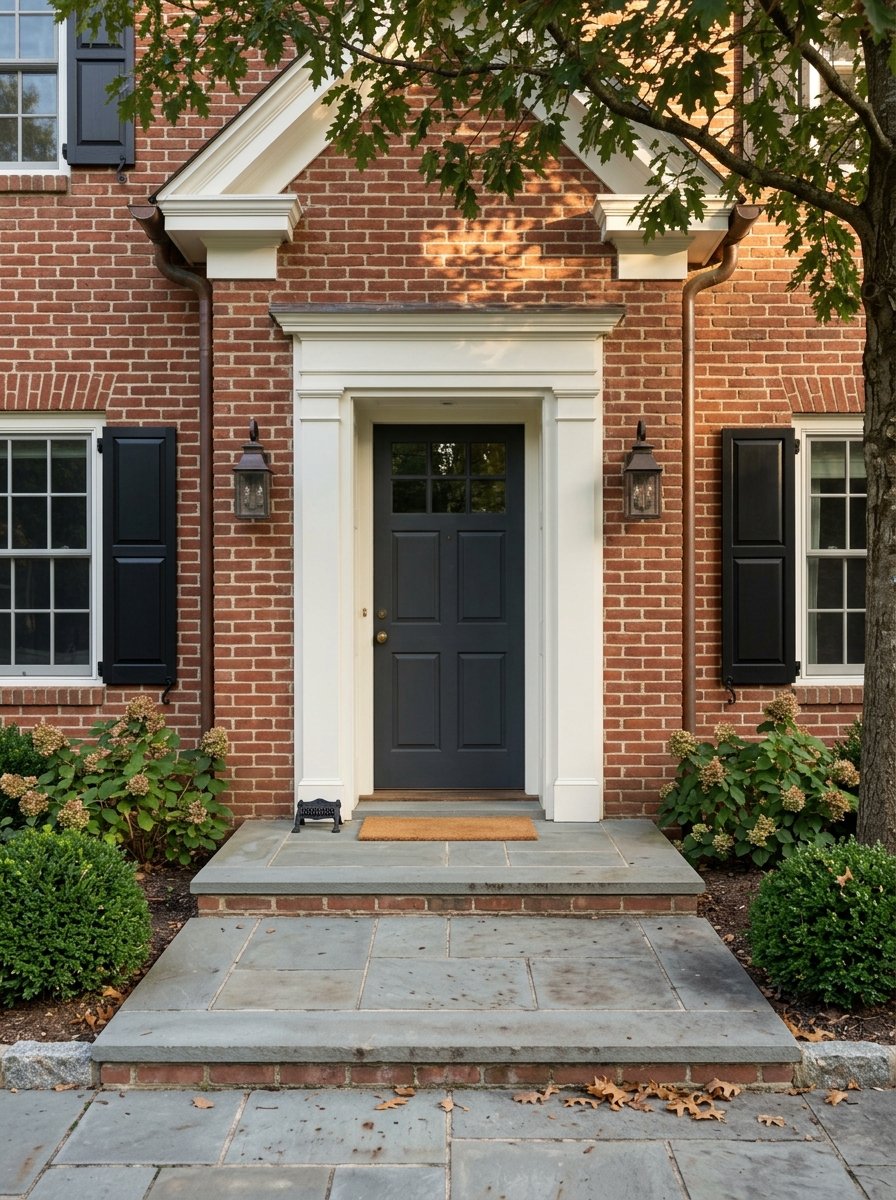
What makes a Princeton home stand out today? It is rarely just square footage or a good address. Buyers are comparing condition, character, and how much work a home seems to need from the moment they see it online. If you are thinking about selling, a smart preparation plan can help you reduce uncertainty, protect value, and make your home feel compelling from the first showing. Let’s dive in.
Why preparation matters in Princeton
Princeton remains an active market, but it is not a market where you can rely on momentum alone. Recent snapshots show strong pricing, with Zillow reporting an average home value of $961,514 and Redfin reporting a median sale price of $1.08 million in March 2026. At the same time, homes are not all moving at the same pace, with Zillow showing about 20 days to pending and Redfin showing about 42 days on market.
That gap tells you something important. Demand is still there, but buyers are weighing choices more carefully than they did in the frenzied post-pandemic stretch. In this kind of market, thoughtful preparation and realistic pricing matter more than ever.
Start with what buyers worry about most
Before you think about paint colors or throw pillows, focus on the issues that create buyer hesitation. In Princeton, many homes have age, charm, and architectural detail on their side. They may also have older systems, basement moisture, uneven floors, or exterior wear that raises questions during a showing.
New Jersey’s Seller’s Property Condition Disclosure Statement asks direct questions about water leakage, dampness, mold, foundation movement, additions and remodels, and whether proper permits and approvals were obtained. It also asks about flood damage, pooling water, and flood insurance obligations. That means the best first step is not cosmetic. It is getting clear on your home’s condition and organizing records before your home goes live.
Prioritize risk-reducing repairs
If you are deciding where to spend time and money, start here:
- Roof leaks or signs of past water intrusion
- Damp basements or drainage issues
- Foundation movement or visible cracking
- Pest concerns
- Electrical, HVAC, or plumbing problems
- Broken fixtures, damaged trim, or deferred maintenance
- Permit records for additions or renovations
- Documentation related to flood history or stormwater issues
This kind of work may not be glamorous, but it can be the difference between a confident offer and a cautious one. Buyers tend to pay more when a home feels well cared for and less likely to become a project.
Gather records early
A tidy paper trail can be as reassuring as a repair itself. If you have replaced a roof, serviced the boiler, waterproofed a basement, or completed an addition, gather invoices, permits, warranties, and contractor information before listing.
This is especially helpful in Princeton, where older homes often come with layers of updates over time. When buyers see a home with history, they want to know that history has been managed well.
Princeton homes need a balance of character and function
Princeton’s housing stock is notably older. Municipal housing data shows that 27.1% of housing units were built in 1939 or earlier, and another 20.5% were built in the 1950s. Only 8.7% were built in 2000 or later.
That age profile shapes buyer expectations. Original details can absolutely help a home stand out, but buyers still want the house to feel livable, coherent, and cared for. Charm is an asset. Deferred maintenance is not.
Keep the features that give your home identity
Zillow’s 2026 research found that character-rich homes, including those with exposed beams, exposed brick, arched details, and vintage features, generated higher online engagement. For many Princeton homes, that is good news.
If your home has original millwork, graceful windows, built-ins, brick detailing, or a classic entry sequence, do not rush to erase those features in pursuit of a generic update. Buyers are often drawn to homes that feel authentic.
Refresh what makes the home feel dated
Preserving character does not mean keeping everything exactly as it is. Buyers may appreciate original details, but they can still be distracted by yellowed paint, worn hardware, tired lighting, or a bath that feels frozen in another decade.
Targeted updates usually go further than a full renovation sprint. Fresh paint, repaired trim, cleaned or refinished floors, updated light fixtures, improved hardware, and selective landscaping can make a home feel current without stripping away what makes it special.
Decluttering and staging still do the heavy lifting
If you want one of the clearest seller-prep lessons from recent research, here it is: buyers need help seeing the home, not your life in it. According to the National Association of Realtors 2025 staging report, 83% of buyers’ agents said staging made it easier for buyers to visualize a property as a future home. Nearly half of sellers’ agents also reported faster sales.
The same report found that the most common seller recommendations were decluttering, cleaning the entire home, and improving curb appeal. In other words, the basics still matter because they work.
Focus on the rooms buyers notice first
The most commonly staged spaces are:
- Living room
- Primary bedroom
- Dining room
- Kitchen
That makes sense in Princeton, where many homes have generous room counts and interesting layouts. Buyers are trying to understand both scale and flow. A well-edited room helps them do that quickly.
What to remove before photos and showings
You do not need to make your home look empty or impersonal. You do want it to feel spacious, calm, and easy to read.
Try removing or reducing:
- Extra furniture that blocks circulation
- Overfilled bookshelves and crowded surfaces
- Personal photos and highly specific decor
- Bulky window treatments that reduce light
- Storage overflow in closets, mudrooms, and pantries
- Pet items, cords, and countertop clutter
Think of it as quieting the room so the architecture and natural light can speak. Princeton buyers often respond well to homes that feel composed rather than overproduced.
Your online first impression matters as much as the front door
Most buyers meet your home online before they ever step inside. In a market where buyers may compare a relatively small number of homes with very different levels of finish, photography and presentation can shape whether your listing feels worth seeing in person.
The National Association of Realtors found that buyers’ agents rated photos as highly important. Zillow also reports that listings with high-resolution photography, virtual tours, and interactive floor plans tend to sell faster and for more money.
Prepare for the camera, not just the showing
A home can feel perfectly fine in person and still fall flat in photos. Before photography, pay extra attention to lighting, sight lines, window cleanliness, landscaping, and visual clutter.
This is another reason preparation should happen before your intended list date, not during it. Once the photos are live, your first impression is already in motion.
Be careful with big renovations
Many sellers assume they need a major remodel to compete. Usually, they do not. Zillow’s 2026 research suggests that move-in-ready homes and remodeled homes can outperform expectations, while fixer-uppers sell for significantly less. At the same time, that does not mean every seller should launch a full kitchen or bath renovation before listing.
In Princeton, strategic restraint is often the smarter move. Buyers tend to reward homes that feel well maintained, visually cohesive, and easy to live in. They do not always reward the cost of every ambitious upgrade.
Where selective updates make sense
If you are deciding whether to update, focus on changes that reduce friction:
- Neutral, fresh interior paint
- Clean or refinished wood floors
- Updated lighting in key rooms
- Repaired or replaced worn hardware
- Crisp landscaping and entry appeal
- Modest kitchen or bath improvements if they visibly date the home
These changes help a home feel turnkey without overcapitalizing. Zillow found that turnkey homes sold for 2.9% more than expected, while remodeled homes sold for 2.2% more and fixer-uppers sold for 14% less.
Check local rules before exterior work
In Princeton, not every exterior improvement is simple from a timing standpoint. If your home is in a locally designated historic district or buffer zone, Princeton’s Office of Historic Preservation may review proposed exterior changes to confirm they are compatible with the setting.
That review can apply when exterior work is proposed on existing structures or when new construction is planned, while ordinary maintenance is generally exempt. If you are considering window replacement, exterior material changes, visible façade updates, or other exterior work, it is wise to confirm the review path early.
Older homes may also raise lead-related planning issues
If your home was built before 1978, federal lead-based paint rules apply. Sellers must disclose any known lead-based paint hazards, provide the required EPA pamphlet, and include required warning language before contract signing.
If you are doing renovation, repair, or painting work that disturbs lead paint in pre-1978 housing, EPA requires lead-safe certified contractors. In Princeton, where many homes predate 1978, this is an important part of prep planning.
Do not leave flood questions until the last minute
Flood risk is now part of New Jersey seller disclosure in a more direct way. The updated state disclosure form asks whether a property is in a FEMA Special or Moderate Risk Flood Hazard Area, whether it has had flood damage or pooled water, and whether flood insurance is required.
If your home has ever had basement seepage, drainage issues, stormwater problems, or prior flood-related repairs, gather that information early. Buyers are likely to ask, and being prepared helps the conversation stay clear and credible.
Give yourself more time than you think
One of the most common seller mistakes is underestimating how long preparation takes. Realtor.com’s 2026 Best Time to Sell report identified April 12 to 18 as the strongest national listing window, with 16.7% more views per listing than a typical week and homes selling about 9 days faster than average. It also found that 53% of sellers took one month or less to get ready.
That may sound efficient, but in Princeton, where older homes often need decisions about repairs, records, staging, and presentation, a longer runway is usually better. A realistic planning frame can be the next 6 to 18 months if you want time to decide what to fix, what to stage, and what to leave alone.
A calm prep plan usually wins
The best seller preparation is not frantic. It is methodical. You want to reduce buyer doubt, highlight the features that make your Princeton home memorable, and present the property in a way that feels polished but believable.
That is especially true in a market full of nuanced housing stock. Some buyers want classic details. Some want simplicity. Most want confidence that the home has been thoughtfully prepared.
If you are considering a sale and want a clear, discreet strategy for what to do now, what can wait, and what is worth the investment, Heidi Hartmann can help you build a preparation plan that fits your home and your timing.
FAQs
What should Princeton sellers fix before listing an older home?
- Focus first on issues that reduce buyer confidence, including roof leaks, damp basements, foundation concerns, pest issues, electrical or HVAC problems, broken fixtures, and missing permit records for past work.
How much staging matters for a Princeton home sale?
- Recent NAR data shows staging helps buyers visualize the home, and many agents report faster sales and stronger offers, especially when the living room, primary bedroom, dining room, and kitchen are presented clearly.
Should Princeton homeowners renovate before selling?
- Usually, selective updates are more effective than a full remodel. Fresh paint, floor refinishing, updated lighting, hardware, and curb appeal often improve presentation without the cost and delay of major construction.
What disclosure issues matter when selling a home in Princeton, New Jersey?
- New Jersey sellers must address property condition topics such as water intrusion, mold, foundation movement, permits, and flood-related questions on the state disclosure form, so it helps to gather repair and property records before listing.
What should Princeton sellers know about historic district rules?
- If your property is in a locally designated historic district or buffer zone, certain exterior changes may require review by Princeton’s Office of Historic Preservation, so check the process before starting visible exterior work.
When should a Princeton homeowner start preparing to sell?
- If you hope to list in a prime spring window, it is smart to start preparation well in advance. Princeton sellers often benefit from using months, not weeks, to plan repairs, staging, records, and marketing presentation.